
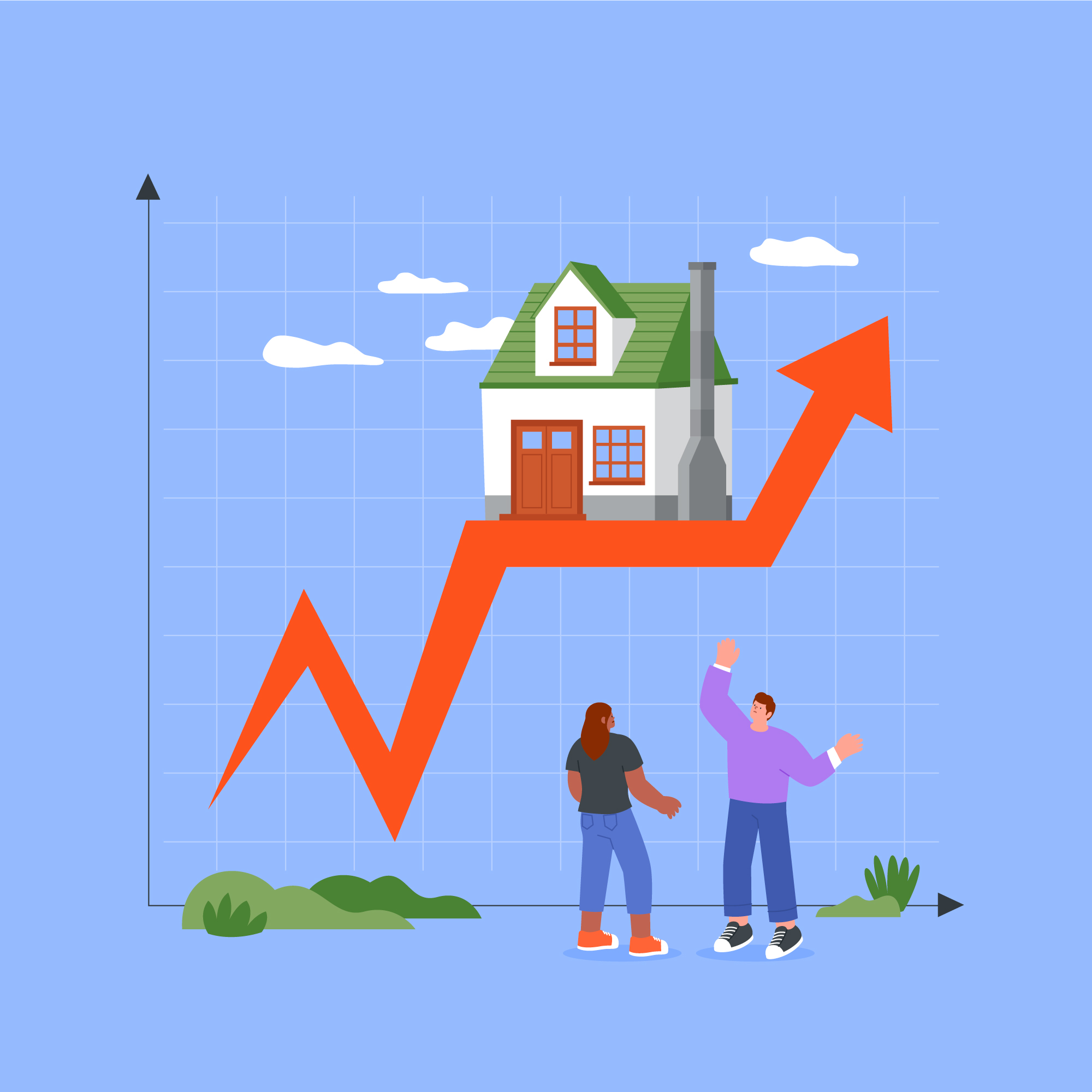
Every news outlet, economist, brokerage, and consumer has an opinion on what the 2026 housing market will bring. A quick glance at today’s headlines: policy shifts, economic anxiety, geopolitical tension, makes certain that no forecast can predict with absolute accuracy where the year will end.
That said, we know economists don’t deal in crystal balls. They gather data, synthesize trends, and draw conclusions that help professionals prepare, adapt, and make informed decisions. When viewed through that lens, with a hint of practical optimism, 2026 is not shaping up as a boom or bust, but as a meaningful turning point.
Most leading economists expect 2026 to look broadly similar to 2025: steady, measured, and unspectacular. So why does this year matter?
At RISMedia’s Real Estate’s Rocking in the New Year event in early January, keynote speaker Brian Buffini offered a helpful reframing. Looking back over the last six years, the industry has climbed steadily out of a distorted, unsustainable market—most dramatically exemplified by 2021. That year left an imprint on buyer and seller psychology: lightning-fast sales, waived contingencies, soaring prices, and record cash flow for some, while others were completely shut out of the market and transacting.
Those conditions were never normal. The past four years have been about unwinding that false reality. Sellers have slowly adjusted expectations, buyers have re-entered with caution, and the market has been recalibrating toward something more durable.
What makes 2026 distinct isn’t just data, it’s psychology.
Mortgage rates matter, of course. Lawrence Yun, Chief Economist at the National Association of REALTORS®, estimates that rates around 5.8% could bring more than 550,000 additional buyers into the market. Even a one-point drop in rates can expand the buyer pool by millions of households.
But rates alone won’t drive recovery. Inventory must cooperate. While supply is up roughly 20% year-over-year, it remains well below pre-pandemic norms. Days on market are drifting back toward 2019 levels, price growth is slowing, and expectations on both sides of the transaction are resetting.
Home prices are expected to rise modestly, roughly 1–3%, while wage growth is projected to outpace both inflation and home price appreciation. That shift, rising incomes relative to housing costs, is one of the most constructive developments the market has seen in years.
Still, meaningful headwinds remain.
Consumer sentiment is hovering near historic lows, driven in part by fast-moving federal policy, political volatility, and concerns about the Federal Reserve’s independence. Reports of potential criminal investigations involving Fed leadership and aggressive policy directives have rattled markets and undermined confidence. Economic anxiety has derailed transactions, and may continue to do so in some markets.
At the same time, a major structural force in housing demand, immigration, is shifting.
According to a recent Harvard Joint Center for Housing Studies analysis, slower immigration could reduce U.S. household formation by 1.7 million households over the next decade, roughly a 20% decline from historical averages. Nearly 60% of that reduction impacts households under 45, the very group in its prime home-buying years.
Immigrant households have accounted for roughly three-quarters of housing demand growth since 2010. A sustained slowdown affects both ownership and rental markets, reduces labor supply (particularly in construction), and accelerates demographic aging which has already pushed the average first-time buyer age to around 40 according to NAR research.
Despite softer demand projections, the U.S. remains short roughly 1.5 million housing units, according to the National Association of Home Builders. Years of underbuilding after 2008, followed by pandemic-era distortions, created a structural deficit that hasn’t gone away.
Here’s the paradox: while reduced demand might ease pressure in some markets, immigration restrictions also shrink the construction labor force. Builders already need to add more than 700,000 workers annually just to keep pace. Fewer workers mean slower construction, higher costs, and constrained supply which potentially offsets any affordability gains from reduced demand.
Builders are responding cautiously. New construction is expected to be essentially flat in 2026, though about half of builders anticipate growth as confidence improves and pent-up demand begins to surface. Community counts are up, inventory is being worked through, and incentives remain common especially in sunbelt markets as newly built homes are, in many cases, now less expensive than resale homes, a rare historical occurrence.
While national narratives matter, regional dynamics tell the real story.
Philadelphia stands out as one of the strongest markets heading into 2026. Zillow ranks Greater Philadelphia as the sixth hottest housing market in the country, driven by limited inventory, strong demand, and relative affordability. Inventory remains nearly 40% below pre-pandemic levels, and Bright MLS projects nearly an 11% increase in closed sales this year, one of the strongest growth rates in the Mid-Atlantic.
U-Haul migration data, apartment occupancy rates above 91%, and renewed construction plans all point to sustained momentum. Buyers should still expect competition, but conditions are far healthier and more balanced than during the pandemic frenzy.
The transition narrative extends beyond residential housing.
Commercial real estate is entering a new chapter, with cautious recovery underway. Office demand is improving unevenly, favoring high-quality space. Multifamily demand remains strong, supported by demographics and delayed homeownership among younger renters. AI infrastructure, data centers, senior housing, and build-to-rent models are emerging as key growth segments.
Economically, GDP growth is expected to hold in the 1.5–2% range, job growth will remain modest, and wages should continue rising at a healthy pace. Capital markets are stabilizing, credit spreads remain tight, and investor interest is gradually returning.
What This Means for the Industry?
2026 will reward professionals who increase their value, communicate it clearly, and stay grounded in advocacy and ethics. Litigation risk, margin pressure, consolidation, and AI-driven efficiency will likely result in fewer agents doing more business, not fewer transactions overall.
AI will not replace REALTORS® but it will empower those who combine technology with judgment, empathy, and guidance. This is not a year for drama. It is a year for discipline, integrity and basics.
An extended period of flat prices, gradually falling rates, rising incomes, and improving inventory creates something the market hasn’t had in a long time: a chance to breathe.
Be prepared. Work with Integrity. Expect the Unexpected.
Privatization of Fannie Mae and Freddie Mac, AI-driven economic shifts, policy volatility, and the continued dominance of higher-end and cash buyers all remain wild cards. But beneath the noise, the fundamentals are quietly improving.
2026 is not about returning to 2021. It’s about building a healthier, more durable housing market one realistic transaction at a time.